
Bipolar Disorder Therapy for Men in Oakville
Confidential, Compassionate Support for Men in Oakville
Break the silence. Find clarity, strength, and a path forward—on your own terms.
Men's Mental Health Services
Bipolar disorder is a complex and deeply impactful mental health condition that affects millions of people worldwide—yet its effects on men often remain misunderstood or overlooked. In Oakville, our specialized men’s mental health counselling services are designed to support those navigating the highs and lows of bipolar disorder, helping them reclaim stability, self-awareness, and emotional strength.
Whether you’re newly diagnosed or have lived with the condition for years, therapy can be a transformative tool. We provide evidence-based treatments, personalized care, and a judgment-free space where men are encouraged to speak openly, explore underlying issues, and create sustainable strategies for long-term wellbeing.
Understanding the Importance of Gender-Specific Mental Health Support
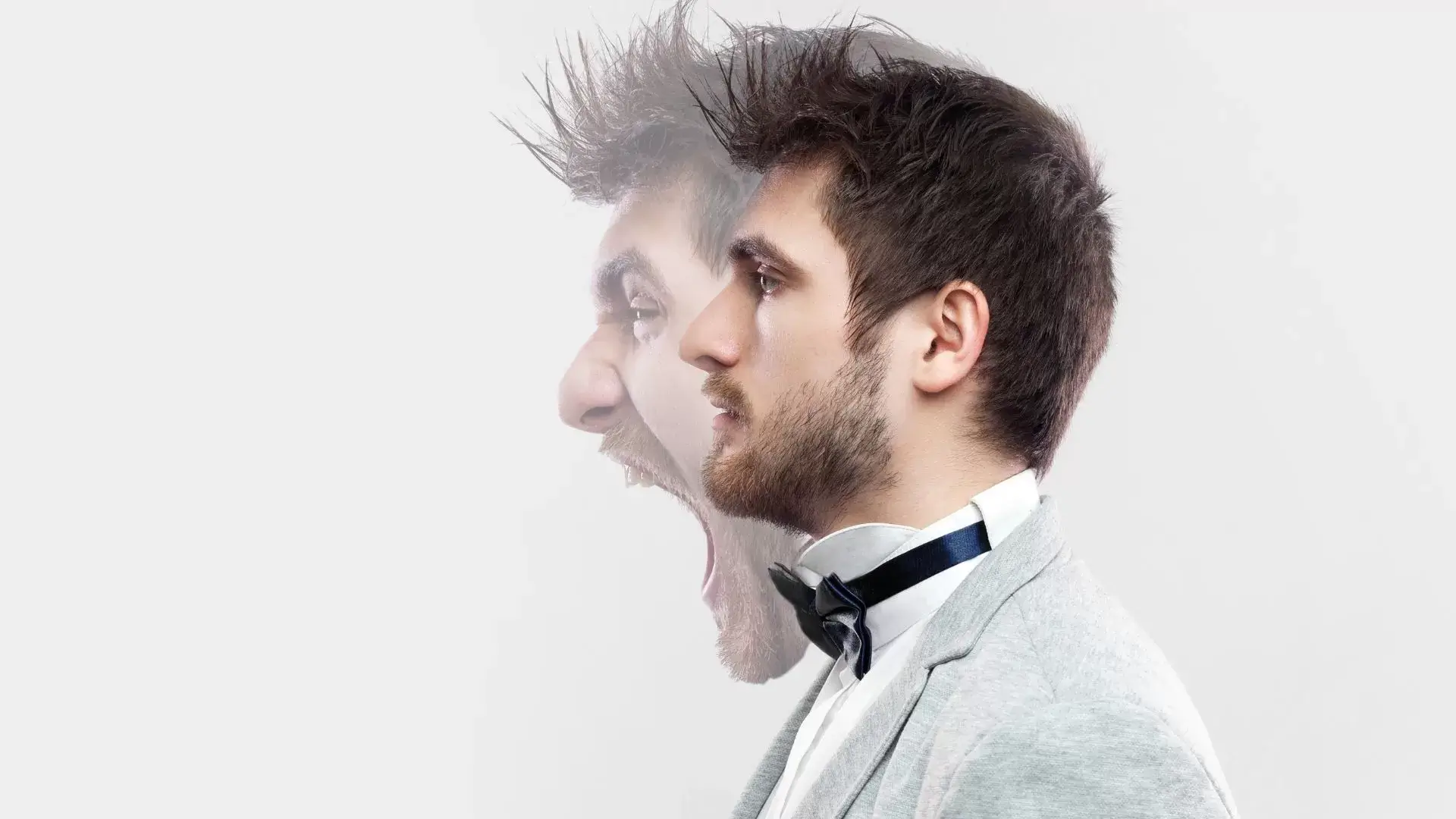
While bipolar disorder affects people of all genders, men often experience unique challenges when it comes to mental health. Societal pressures to remain stoic, self-reliant, or emotionally reserved can prevent many men from seeking help—even when symptoms become debilitating.
Men may express bipolar symptoms differently, and their coping mechanisms can mask the true extent of emotional turmoil. At our Oakville counselling centre, we offer gender-informed therapy that considers these nuances. We help men feel safe to explore vulnerability without judgment, empowering them to speak openly about their thoughts, experiences, and emotions.
What Is Bipolar Disorder and How Does It Affect Men Differently?
Bipolar disorder is a mood disorder characterized by extreme shifts in mood, energy, and activity levels. These shifts range from episodes of mania or hypomania (high energy, impulsivity, or euphoria) to periods of depression (low energy, sadness, and hopelessness).
In men, bipolar disorder can present in ways that are sometimes misunderstood. While depressive symptoms might show as withdrawal, fatigue, or irritability, manic episodes may lead to reckless behavior, substance use, or aggression. These expressions often lead to misdiagnosis or delayed treatment. Understanding the full scope of the disorder is the first step toward recovery.

Key Signs and Symptoms of Bipolar Disorder in Men
Recognizing bipolar symptoms early can significantly improve long-term outcomes. While everyone experiences symptoms differently, common signs in men include:
During Depressive Episodes:
- Persistent sadness or hopelessness
- Low energy or fatigue
- Feelings of worthlessness or guilt
- Loss of interest in work, relationships, or hobbies
- Changes in sleep and appetite
- Difficulty concentrating or making decisions
During Manic or Hypomanic Episodes:
- Unusually high energy levels or restlessness
- Inflated self-esteem or grandiosity
- Racing thoughts and rapid speech
- Impulsive or risky behavior (e.g., reckless driving, overspending, substance use)
- Irritability or agitation
- Decreased need for sleep
Understanding these fluctuations—and how they may be expressed in different environments—is crucial in managing the disorder effectively.
Exploring the Different Types of Bipolar Disorder
Bipolar disorder is not a one-size-fits-all condition. There are several types, each with distinct symptoms and severity levels:
Bipolar I Disorder
Characterized by at least one manic episode, which may be severe enough to require hospitalization. Depressive episodes often occur before or after the manic phase.
Bipolar II Disorder
Involves patterns of depressive episodes and hypomanic episodes (less severe than full mania), without the full-blown manic episodes seen in Bipolar I.
Cyclothymic Disorder (Cyclothymia)
Defined by periods of milder mood swings that don’t meet the full criteria for Bipolar I or II but can still disrupt daily life.
Each type requires a nuanced treatment approach, and therapy plays a vital role in creating a plan that supports emotional regulation and symptom management.
What Causes Bipolar Disorder? Unpacking the Risk Factors
The causes of bipolar disorder are multifaceted and may involve a combination of:
- Genetics: A family history of bipolar disorder increases risk significantly.
- Brain Chemistry: Imbalances in neurotransmitters can contribute to mood instability.
- Stress and Trauma: Childhood trauma, abuse, or significant life stressors can trigger the onset of symptoms.
- Lifestyle and Environment: Substance use, sleep disruption, or irregular routines may exacerbate symptoms.
Understanding the underlying causes helps inform a more effective and holistic treatment plan tailored to each client’s unique background and life circumstances.
How Is Bipolar Disorder Diagnosed in Men?
Receiving an accurate diagnosis is the foundation of effective treatment. The diagnostic process typically involves:
- Clinical Interviews: A licensed therapist gathers detailed information about mood patterns, life history, and symptoms.
- Mental Health Assessments: Tools like the Mood Disorder Questionnaire (MDQ) or DSM-5 criteria are used to guide diagnosis.
- Rule Out Other Conditions: Conditions like ADHD, depression, and substance-induced mood disorders are considered to ensure accurate assessment.
Therapists also explore how bipolar disorder affects different areas of life, including work, relationships, and physical health. Early and thorough diagnosis can prevent years of untreated symptoms and emotional struggle.
Therapeutic Strategies for Managing Bipolar Disorder in Men
There is no one-size-fits-all treatment for bipolar disorder, but a combination of strategies can help manage symptoms and prevent relapse. At our Oakville counselling practice, we focus on:
- Talk Therapy: Providing a safe space to explore thoughts and feelings
- Cognitive Behavioral Therapy (CBT): Helping men identify and reframe harmful thought patterns
- Psychoeducation: Teaching clients about their condition to promote self-awareness and early symptom detection
- Behavioral Activation: Encouraging engagement in positive activities to combat depressive episodes
- Crisis Planning: Creating a structured action plan for managing severe episodes or suicidal thoughts
Therapy helps men develop lifelong tools to navigate bipolar disorder and enhance overall well-being.
The Power of Cognitive Behavioral Therapy (CBT) and Other Psychotherapies
CBT is one of the most effective therapies for men with bipolar disorder. It works by identifying and modifying negative thinking and behavioral patterns that contribute to mood instability. In therapy, men learn to:
- Recognize triggers for manic or depressive episodes
- Develop healthy coping strategies
- Improve problem-solving and decision-making skills
- Build routines that promote emotional balance
Other helpful modalities may include Interpersonal Therapy (IPT), Dialectical Behavior Therapy (DBT), and Acceptance and Commitment Therapy (ACT), all of which are tailored to individual needs.
Treating Co-Occurring Mental Health Conditions in Men
It’s common for bipolar disorder to occur alongside other mental health issues, including:
- Anxiety Disorders
- Major Depression
- Post-Traumatic Stress Disorder (PTSD)
- Substance Use Disorders
Men may use drugs or alcohol to self-medicate, especially during manic or depressive episodes. Integrated therapy addresses both bipolar symptoms and co-occurring disorders to promote comprehensive healing.
Everyday Lifestyle Changes That Support Mood Stability
While therapy is essential, day-to-day habits also play a key role in maintaining emotional stability. We encourage clients to:
- Maintain a regular sleep schedule
- Engage in regular physical activity
- Practice mindfulness and stress-reduction techniques
- Avoid substances like alcohol and recreational drugs
- Keep a mood journal to track patterns and identify triggers
These changes—though simple—can significantly reduce symptom severity and improve overall quality of life.
Why Early Intervention Matters for Long-Term Health
The earlier bipolar disorder is identified and treated, the better the outcomes. Early intervention can:
- Prevent worsening of symptoms
- Reduce the risk of hospitalization or self-harm
- Improve personal and professional functioning
- Foster emotional resilience and coping skills
Therapy provides men with the guidance they need to recognize early warning signs and take proactive steps toward managing their mental health.
Navigating Emotional Crises: When Men Need Immediate Support
Bipolar disorder can sometimes lead to emotional crises, including suicidal ideation, self-harm, or dangerous impulsive behavior. In these moments, timely and compassionate intervention is critical. We help clients develop:
- Crisis Safety Plans
- Emergency Contact Networks
- Tools for Self-Soothing and De-Escalation
- Access to 24/7 support when necessary
Seeking support is not a sign of weakness—it’s a courageous step toward survival and long-term wellness.
The Importance of Community: Group Therapy and Family Involvement
No one should face bipolar disorder alone. We offer group therapy sessions and family counselling to build a supportive community around our clients. Group sessions allow men to:
- Share experiences in a safe, structured environment
- Learn from others going through similar challenges
- Develop a sense of belonging and accountability
Family therapy also helps loved ones understand the condition, communicate more effectively, and foster healthier dynamics at home.
Addressing the Stigma: Redefining Masculinity in Mental Health
Many men hesitate to seek help because they fear being judged or seen as weak. Our Oakville clinic is committed to changing the narrative around men’s mental health. We advocate for:
- Honest conversations about mental illness
- Inclusive, shame-free therapy spaces
- Breaking down stereotypes about masculinity and vulnerability
As more men step forward to prioritize their mental wellness, they inspire others to do the same creating a ripple effect of healing and hope.
Exploring Holistic Approaches: Mindfulness, Nutrition, and Body-Based Therapy
For many men, a holistic approach to bipolar disorder can be deeply effective. We integrate complementary practices such as:
- Mindfulness meditation and breathwork to increase emotional regulation
- Nutritional counselling to support brain and hormonal health
- Somatic therapy to reconnect the body and mind after trauma
- Art or movement therapy to access and express emotions non-verbally
These practices enhance traditional psychotherapy and create a more balanced approach to healing.
Take the First Step: Personalized Bipolar Counselling Support in Oakville
If you or someone you care about is struggling with bipolar disorder, know that help is available—and healing is possible. Our team of compassionate, experienced therapists in Oakville is here to walk alongside you with personalized care, proven techniques, and unwavering support. You don’t have to face this journey alone.
Reach out today for a confidential consultation and take the first step toward reclaiming your emotional health, stability, and future.
Frequently Asked Questions About Men’s Bipolar Counselling in Oakville
How do I know if I have bipolar disorder or just mood swings?
A clinical assessment by a trained therapist can help distinguish between everyday mood changes and bipolar disorder. If your symptoms affect your relationships, work, or safety, it’s time to seek professional support.
Is medication required for treatment?
Many people with bipolar disorder benefit from a combination of therapy and medication. We work collaboratively with psychiatrists to ensure each client receives well-rounded care.
Can therapy really help with bipolar disorder?
Absolutely. Therapy provides tools, insight, and emotional support to help you manage symptoms and live a fulfilling life.
How long does treatment usually take?
Treatment duration varies, but many clients benefit from ongoing support over several months or longer. The goal is to build lasting skills for emotional resilience.
Is counselling confidential?
Yes. Your privacy is fully respected, and all sessions are conducted in a safe, confidential environment.