
Bereavement Therapy for Men in Oakville
Confidential, Compassionate Support for Men in Oakville
Break the silence. Find clarity, strength, and a path forward—on your own terms.
Men's Mental Health Services
Grieving the loss of a loved one can be an overwhelming and isolating experience, especially for men who may feel societal pressure to suppress or hide their emotional pain. At Oakville Men’s Mental Health Counselling Center, therapy for bereavement offers a compassionate and confidential space for individuals to process their grief, confront difficult emotions, and begin the path toward healing. Whether the loss involves a partner, parent, child, sibling, or close friend, therapy provides a supportive environment to explore the unique ways men cope with sorrow, loneliness, and psychological distress. Skilled therapists help clients navigate the stages of grief, address symptoms of complicated or traumatic loss, and rebuild emotional resilience. With access to specialized grief counselling and bereavement support services in Oakville, men can receive the tools, empathy, and guidance they need to move forward while honouring the memory of their loved one.

Understanding Bereavement in Men: Coping with the Loss of a Loved One
Bereavement refers to the period of mourning and adjustment following the death of a loved one. For men, this experience can be particularly complex, as cultural norms often discourage open expressions of vulnerability and sadness. As a result, many men may internalize their grief, express it through anger or withdrawal, or avoid discussing their emotions altogether. These coping mechanisms, while understandable, can sometimes lead to prolonged or complicated grief, impacting mental health and daily functioning. Understanding these gender-specific responses is crucial for providing effective support that resonates with men’s emotional needs. Tailored bereavement counselling helps men identify and process their emotions, find healthy outlets for sorrow, and develop meaningful ways to honour their loss. By addressing the unique ways men grieve, therapy empowers them to navigate their healing journey with strength, self-awareness, and resilience.
The Stages of Grief: From Denial to Acceptance
Grief is often described through the framework of five stages—denial, anger, bargaining, depression, and acceptance. These stages, originally introduced by Elisabeth Kübler-Ross, offer insight into the emotional landscape many individuals experience after the loss of a loved one. However, it’s important to understand that these stages are not rigid or sequential. A man coping with bereavement may move from anger to depression, then back to denial, before arriving at moments of acceptance. He may even cycle through stages multiple times depending on life events, anniversaries, or unexpected reminders of the deceased. Recognizing the non-linear nature of grief helps normalize the process, easing feelings of guilt or confusion when emotions resurface unexpectedly. For men who are often taught to suppress emotional expression, understanding the ebb and flow of grief can be especially validating. Through counselling, men are supported in navigating each stage at their own pace, learning to acknowledge their pain, express their feelings authentically, and ultimately integrate the loss into their lives in a meaningful way.

Emotional Pain and Psychological Impact of Loss
The loss of a loved one can cause profound emotional pain, often leaving individuals feeling overwhelmed by waves of sadness, anger, guilt, and deep loneliness. For men in particular, the psychological impact may be intensified by internalized beliefs that they must remain stoic or emotionally restrained. This can lead to the suppression of grief, which may manifest later as depression, anxiety, irritability, or even physical symptoms such as fatigue or sleep disturbances. Many bereaved men experience difficulty concentrating, loss of motivation, and a sense of emotional numbness, which can affect both personal and professional life. In some cases, unresolved grief may lead to complicated or prolonged mourning, where individuals feel “stuck” in their sorrow. Addressing these psychological and emotional responses through professional counselling is vital not only for processing the grief itself but also for preventing long-term mental health complications. Therapy provides a compassionate space for men to understand their emotional responses, explore their pain safely, and begin to rebuild a sense of identity and purpose after a significant loss.
Common Types of Loss Men May Face
Men may experience various types of loss, including:
Loss of a spouse or partner: This profound loss can disrupt daily routines and emotional stability.
Loss of a parent or sibling: Family dynamics and support systems may be significantly affected.
Loss of a child: This devastating loss can challenge a father’s identity and purpose.
Loss of a close friend or colleague: Social connections and support networks may be diminished.
Traumatic and Complicated Grief in Men
While grief is a natural response to loss, some men may experience complicated grief, characterized by prolonged and intense mourning that interferes with daily functioning. Traumatic grief may occur when the loss is sudden or violent, leading to symptoms similar to post-traumatic stress disorder (PTSD). Professional counselling can help address these complex grief reactions.
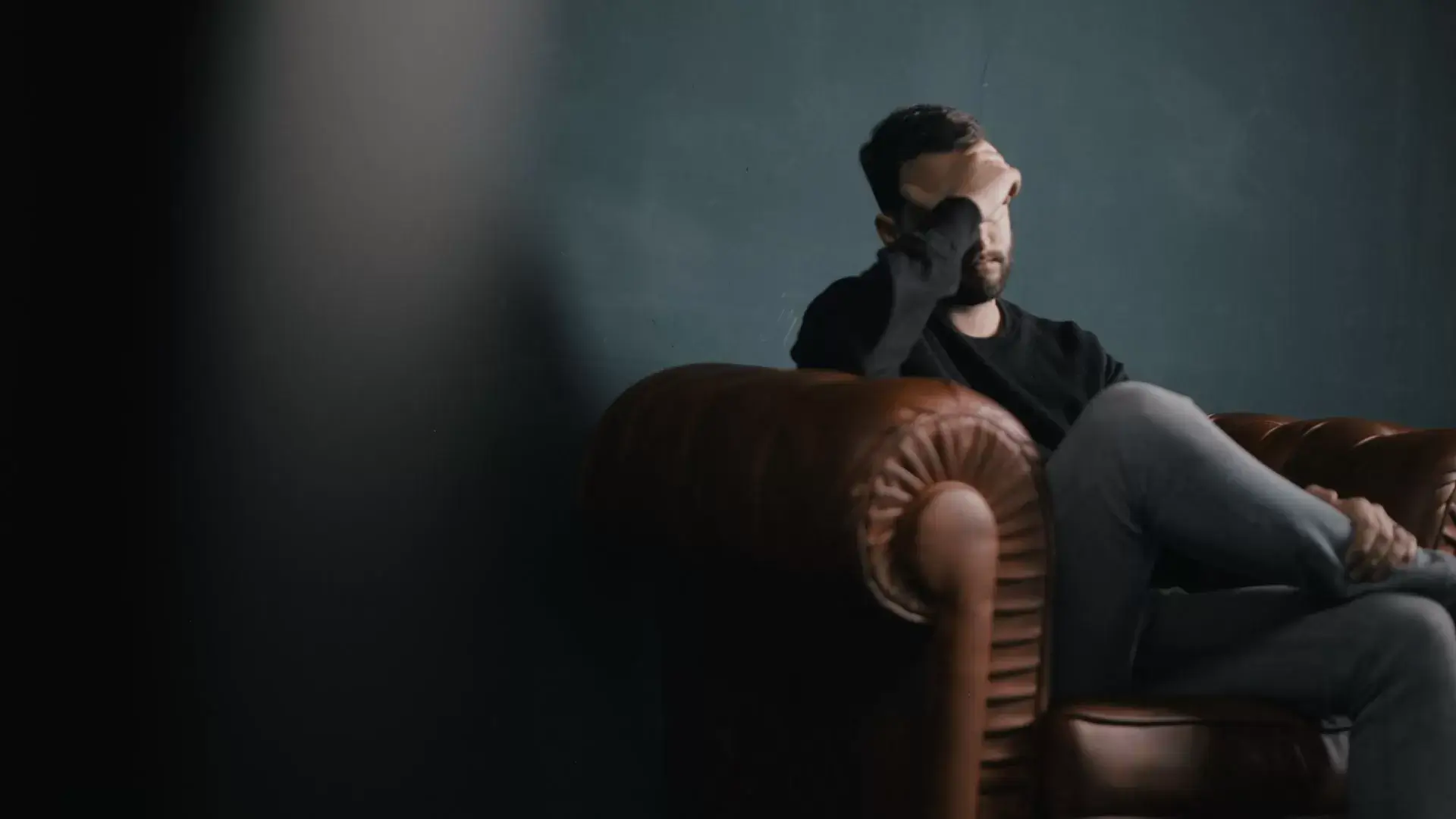
Coping with Sudden Loss and Unexpected Death
Sudden or unexpected deaths can be particularly challenging, leaving individuals unprepared to process the loss. Men may struggle with feelings of shock, disbelief, and helplessness. Counselling provides a space to explore these emotions and develop coping strategies.
Bereavement Counseling and Grief Therapy for Men
Bereavement counselling offers support for men navigating the grieving process. Therapists in Oakville, such as those at First Step Men’s Therapy, specialize in helping men process their emotions, develop coping strategies, and move forward in a healthy way . Grief therapy is not about getting over the loss but finding a way to live with it in a manageable and healthy manner .
The Healing Journey: Emotional Recovery and Supportive Strategies
Healing from loss involves acknowledging emotions, seeking support, and finding meaning in the experience. Strategies for emotional recovery include:
Expressing emotions: Talking about the loss with trusted individuals or in therapy.
Engaging in self-care: Maintaining physical health through exercise, nutrition, and rest.
Creating rituals: Honoring the deceased through memorials or personal traditions.
Setting goals: Focusing on achievable objectives to foster a sense of purpose.
The Role of Bereavement Support Groups and Peer Connections
Support groups provide a space for men to share their experiences and connect with others facing similar losses. Organizations like GriefShare offer grief recovery support groups in Oakville, helping individuals find help and healing for the hurt of losing a loved one . Acclaim Health also offers bereavement support groups, giving individuals the opportunity to meet others who are grieving and explore ways to move through their grief.
Rituals, Memorialization, and Honoring the Deceased
Engaging in rituals and memorial activities can aid in the grieving process. These may include:
Creating a memory book or photo album: Preserving memories and stories.
Participating in memorial services: Gathering with others to honor the deceased.
Establishing annual traditions: Commemorating anniversaries or special dates.
Such practices provide a sense of connection and continuity.
Spiritual and Existential Support in Grief Recovery
For some men, exploring spiritual or existential questions is a vital part of grief recovery. This may involve:
Seeking guidance from spiritual leaders: Engaging in conversations about faith and loss.
Practicing mindfulness or meditation: Fostering inner peace and acceptance.
Exploring personal beliefs: Reflecting on life’s meaning and purpose.
Incorporating spiritual support can offer comfort and perspective during bereavement.
Rebuilding Daily Life and Restoring Routine Post-Loss
Reestablishing routines and daily activities is an essential step in adjusting to life after loss. This process may include:
Returning to work or hobbies: Engaging in meaningful activities.
Developing new routines: Creating structure and stability.
Setting realistic expectations: Allowing time for adjustment and healing.
Gradually resuming daily life helps foster a sense of normalcy and control.
Long-Term Support and Preventing Grief-Related Mental Health Issues
Ongoing support is crucial for preventing complications such as depression, anxiety, or substance abuse. Long-term strategies include:
Continued therapy: Maintaining regular counselling sessions.
Building a support network: Connecting with friends, family, or support groups.
Monitoring mental health: Being aware of changes in mood or behavior.
Proactive measures help ensure sustained well-being.
Accessing Men’s Bereavement Therapy in Oakville
Oakville offers various resources for men seeking bereavement therapy:
First Step Men’s Therapy: Specializes in helping men heal and grow through grief counselling.
Whiteboard Counselling: Provides grief therapy tailored to individual needs, utilizing approaches like Cognitive Behavioral Therapy and Narrative Therapy.
HOPE Grief Counselling: Offers support for individuals suffering from all aspects of loss.
These services provide compassionate support to help men cope with loss and emotional pain—contact us to connect with a therapist who understands and can guide you through the healing process.
Frequently Asked Questions
How long does the grieving process last?
Grief is a personal experience with no set timeline. Some individuals may begin to feel better in a few months, while others may take years. It’s important to allow yourself to grieve at your own pace.
Is it normal to feel anger during grief?
Yes, anger is a common emotion during the grieving process. It’s a natural response to loss and can be addressed through counselling and support.
Can therapy help with complicated grief?
Absolutely. Therapy provides tools and support to process complex emotions and develop coping strategies, aiding in the healing process.
Are there support groups specifically for men?
Yes, organizations like GriefShare offer support groups that can be beneficial for men seeking peer connections during bereavement.
Conclusion
Bereavement is a challenging journey, and men in Oakville have access to various resources to support their mental health during this time. Through specialized counselling, support groups, and therapeutic approaches, men can find pathways to healing