
Gambling Disorder Therapy for Men in Oakville
Confidential, Compassionate Support for Men in Oakville
Break the silence. Find clarity, strength, and a path forward—on your own terms.
Men's Mental Health Services
Gambling Disorder can significantly impact a man’s emotional well-being, relationships, and financial stability. In Oakville, specialized men’s mental health counselling services are available to address the complex nature of gambling addiction, including compulsive gambling, online betting, casino addiction, and sports betting. Many men silently struggle with gambling urges, chasing losses, or feelings of guilt and shame, often driven by distorted thinking and thrill-seeking behavior. Our therapy approach focuses on understanding the root causes of gambling behavior, rebuilding impulse control, and developing healthier coping mechanisms. With evidence-based treatments like cognitive behavioral therapy (CBT), mindfulness strategies, and emotional regulation techniques, we provide a safe, non-judgmental environment for men to explore their challenges and take control of their recovery journey. Whether you’re facing financial loss, strained relationships, or overwhelming stress due to gambling, help is available right here in Oakville.
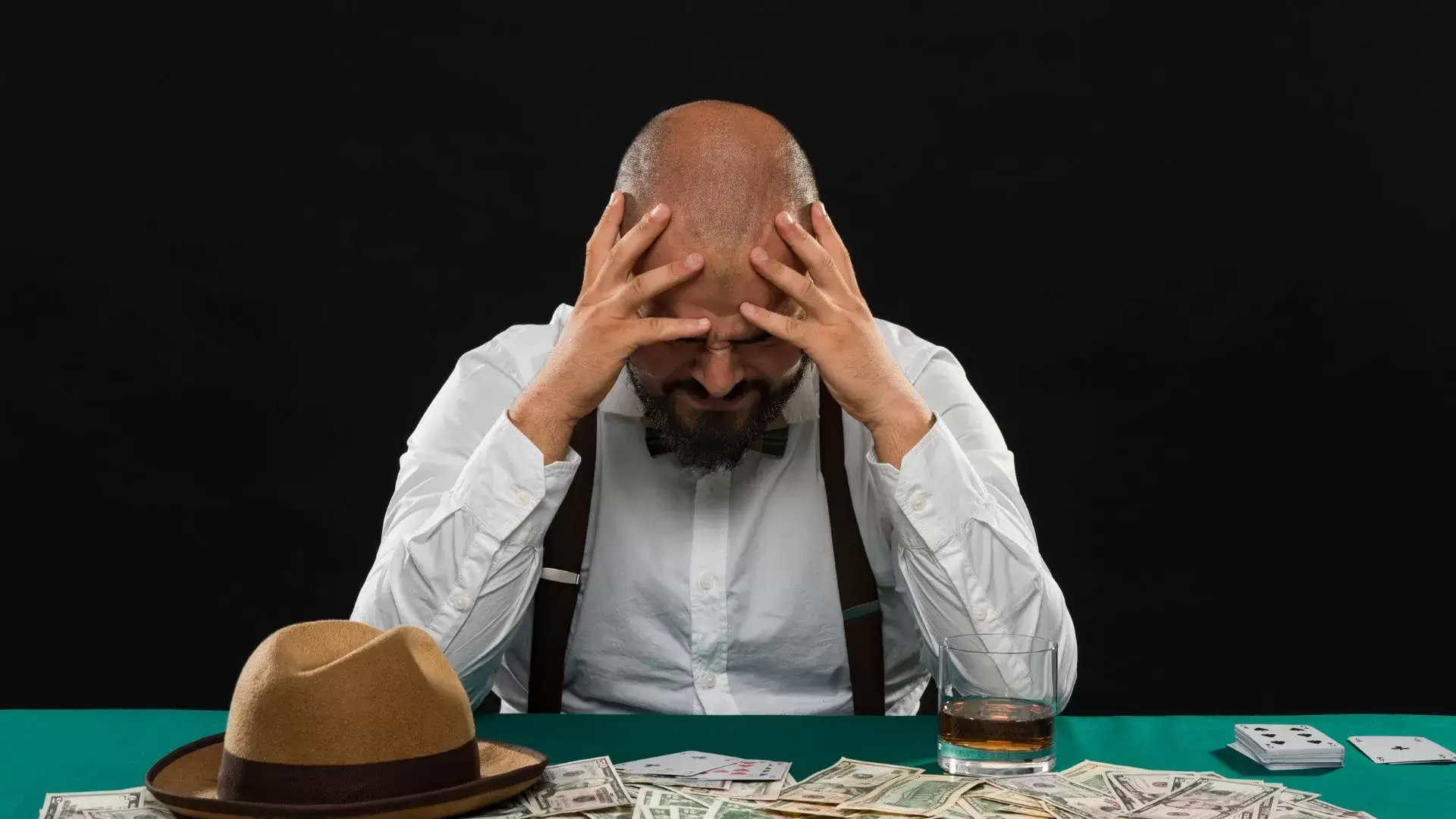
A Holistic Approach to Men's Mental Health Counselling Therapy
Men’s mental health is often shrouded in silence and stigma, especially when it comes to behavioral addictions like gambling. At Oakville Mens Mental Health Counselling Therapy Centre, we specialize in providing tailored therapy services that recognize the unique emotional, psychological, and social needs of men facing gambling disorder. Our compassionate, non-judgmental environment empowers men to open up, address root causes, and embark on sustainable recovery.
Gambling Disorder in Men: Understanding the Scope and Impact
Gambling disorder, also known as compulsive gambling or gambling addiction, is classified under behavioral addictions. It involves an uncontrollable urge to continue gambling despite the negative impact it has on one’s life. For men, this disorder often manifests through risky bets, excessive time spent in casinos or online gambling, and secrecy surrounding financial losses. The National Council on Problem Gambling reports that men are twice as likely as women to become addicted to gambling, often due to societal pressures around risk-taking and masculinity.
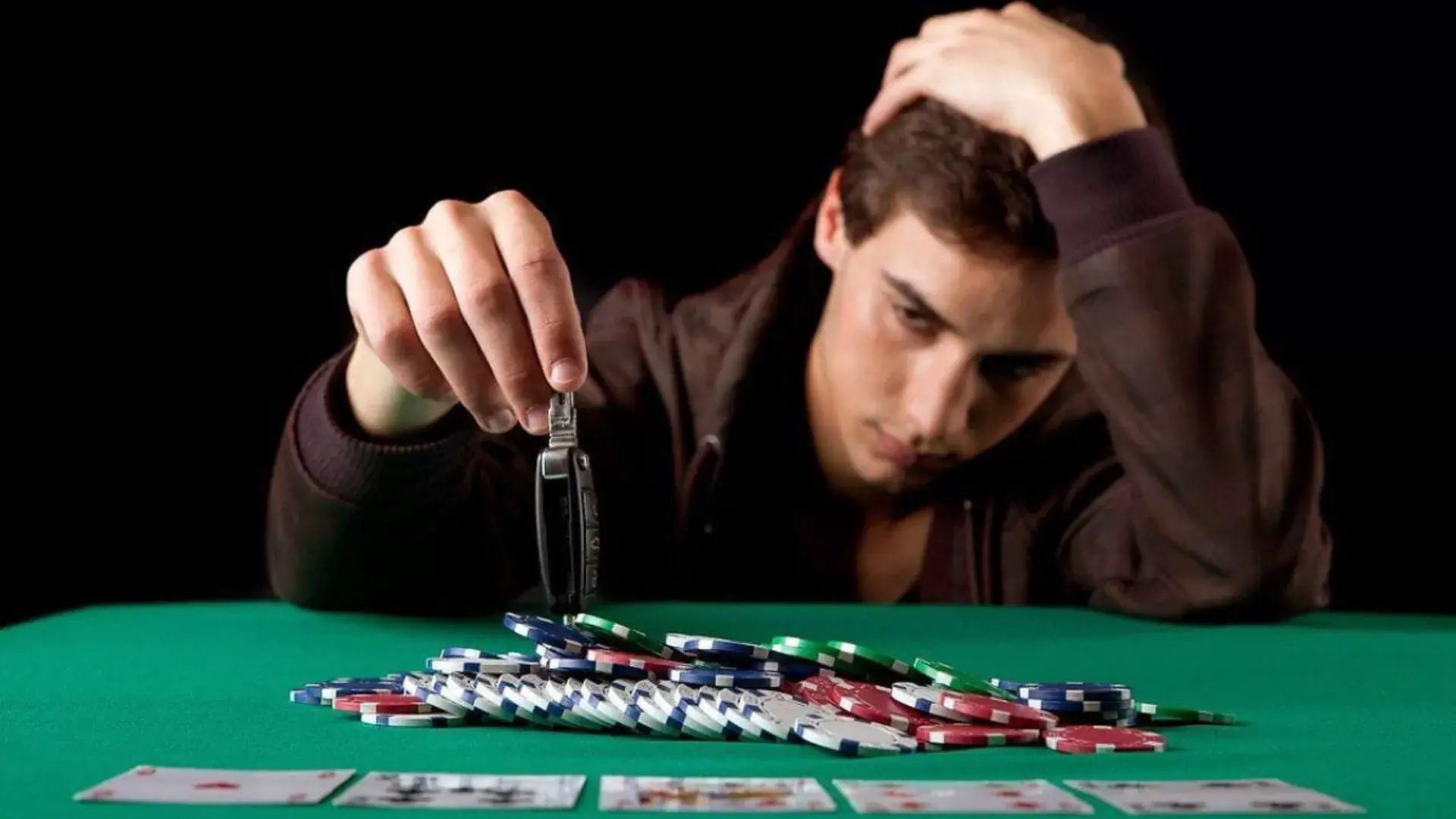
Compulsive Gambling: More Than Just a Money Problem
Compulsive gambling isn’t solely about money. While financial ruin is a common consequence, the addiction typically stems from deeper emotional or psychological issues—like escapism, thrill-seeking, or a desire for control. Men may gamble to avoid feelings of depression, boredom, or failure. Over time, the behavior becomes habitual and destructive, trapping individuals in a cycle that is difficult to break without professional intervention.
The Modern Face of Gambling Addiction: Online Access and Hidden Risks
Online gambling platforms have changed the game—literally. Men can now place bets, spin virtual slots, and wager on sports from their phones, 24/7. This accessibility significantly increases the risk of developing a gambling disorder. Unlike the social setting of a casino, online gambling is solitary, harder to monitor, and often more addictive due to instant rewards. Counselling addresses not just the behavior but also the technology-related triggers and patterns.
Emotional and Psychological Costs of Gambling Addiction
Beyond financial losses, gambling addiction can take a significant toll on a man’s emotional well-being. Shame, guilt, anxiety, and depression are commonly reported, especially as the consequences of their behavior catch up with them. Many men report a sense of duality—presenting a composed exterior while privately battling intense emotional turmoil. Counselling therapy provides a safe space to unpack these feelings and begin healing.
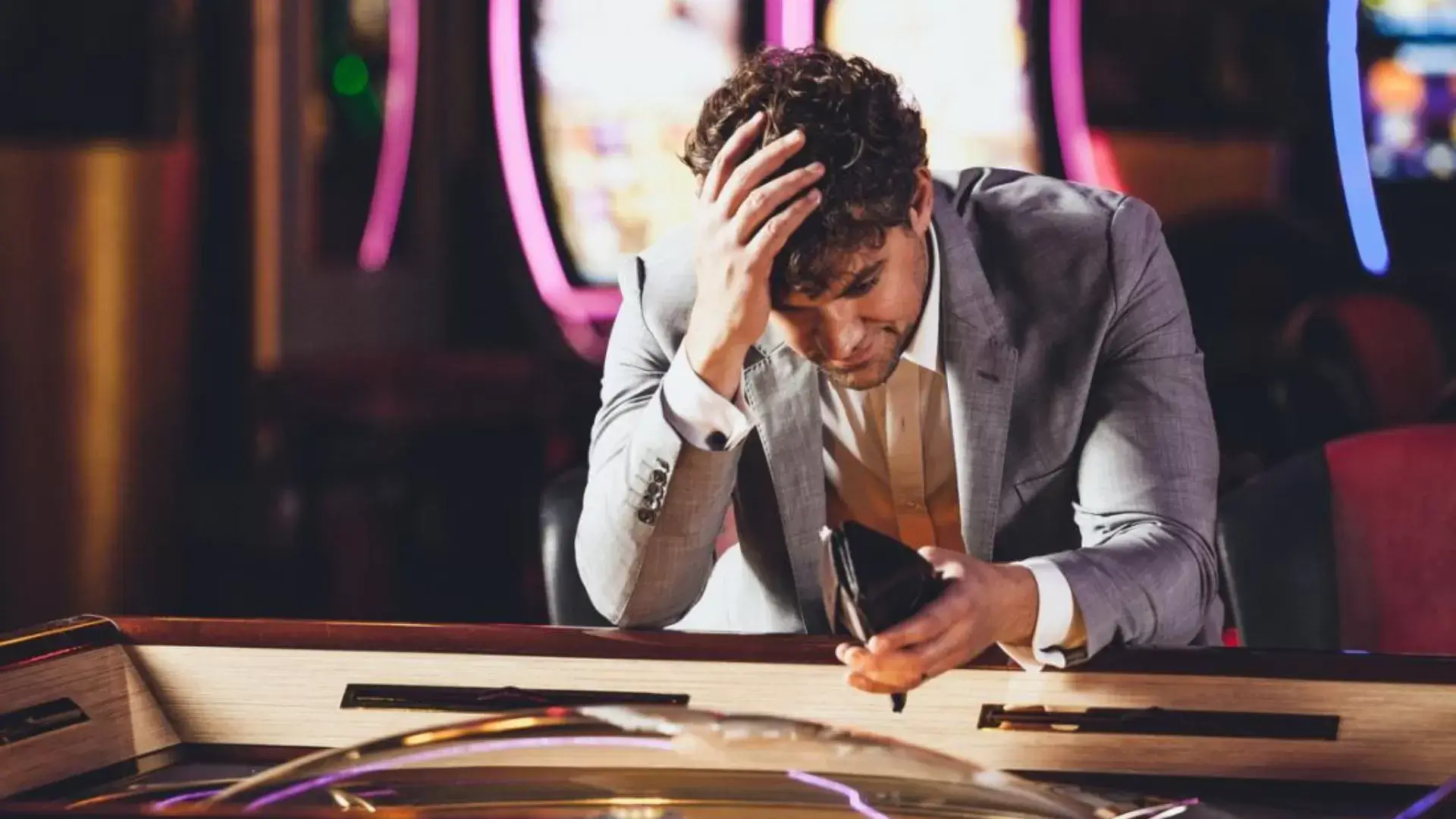
Gambling as a Behavioral Addiction and Impulse Control Disorder
Gambling disorder is officially recognized by the DSM-5 as a behavioral addiction. Like substance use disorders, it alters the brain’s reward system, reinforcing the compulsive behavior. It also overlaps with impulse control disorders, where the individual finds it nearly impossible to resist the urge to gamble, even when fully aware of the potential consequences. This understanding shapes the way treatment is approached in therapy.
Financial Fallout: Debt, Ruin, and the Road to Recovery
Men dealing with gambling addiction often find themselves in financial crisis. Maxed-out credit cards, loans from friends or family, payday lending, and even theft may be part of the fallout. This creates a cycle of gambling to “win it back,” which only deepens the problem. Counselling includes financial recovery planning, referrals to financial advisors, and accountability measures to rebuild financial stability.
Relationships Under Pressure: How Gambling Damages Trust and Connection
The secrecy and unpredictability that come with gambling addiction often lead to strained or broken relationships. Partners may feel betrayed, family members might lose trust, and children could be affected emotionally or financially. Our men’s counselling therapy addresses not only the individual’s behavior but also provides support for repairing these critical bonds through family therapy, couples sessions, and communication skills training.
Co-Occurring Disorders: Depression, Anxiety, Substance Abuse, and More
Many men who struggle with gambling addiction also experience co-occurring mental health conditions. Depression, anxiety, bipolar disorder, and substance abuse are common. Addressing these dual diagnoses is essential for comprehensive treatment. Our therapists use an integrated care model that treats both the gambling disorder and any co-occurring issues simultaneously for the best long-term outcomes.
Recognizing the Problem Gambler Mindset: Key Behavioral Signs
Identifying the early signs of gambling addiction can be life-saving. Key indicators include:
Gambling with increasing amounts of money
Lying to loved ones about gambling activity
Feeling restless or irritable when trying to stop
Using gambling as a way to escape problems or stress
Attempting to recover losses by gambling more
Understanding these behaviors allows individuals and their families to seek help sooner and avoid further harm.
Effective Therapies for Gambling Recovery
Our Oakville centre offers several evidence-based therapies proven to help men recover from gambling disorder:
Cognitive Behavioral Therapy (CBT): Identifies and restructures distorted thinking patterns
Motivational Interviewing: Enhances readiness to change and develop commitment to recovery
Mindfulness-Based Therapy: Helps clients manage urges and stress through present-moment awareness
Family Therapy: Repairs relationships and builds a strong support network
Developing Healthy Coping Skills and Relapse Prevention Strategies
One of the core goals of therapy is to equip men with healthy coping strategies to replace gambling. These might include exercise, creative outlets, social activities, and stress-management techniques. Relapse prevention planning includes identifying triggers, creating emergency coping plans, and building a daily structure that supports abstinence.
Tools for Self-Help and Ongoing Recovery Support
Therapy is just one part of the recovery puzzle. We also guide clients toward:
Support Groups: Such as Gamblers Anonymous (GA)
Books and Apps: Focused on addiction recovery
Digital Detox Strategies: Especially for online gamblers
Accountability Partnerships: With friends, family, or mentors
This combination of tools helps maintain motivation and prevent setbacks.
Rewiring the Brain’s Reward System
Long-term gambling changes the brain’s chemistry. Therapy focuses on retraining the brain’s reward system by introducing alternative sources of satisfaction—like achievement, social connection, and personal growth. Neuroplasticity means that change is not only possible but likely with the right guidance and consistency.
Harm Reduction Approaches: Not Just Abstinence
While complete abstinence is ideal for many, harm reduction can be a useful strategy for others. This approach might involve setting spending or time limits, switching to lower-risk activities, or gradually reducing gambling behaviors. Our therapists work with each man to determine the most effective and realistic path to recovery.
Personalized Support with an Addiction Specialist
Every man’s experience with gambling addiction is different. Our team includes addiction specialists trained to tailor treatment plans to each individual’s unique needs, goals, and challenges. Personalized care ensures the most effective outcomes and empowers men to take ownership of their healing journey.
Your Recovery Journey Begins Now: Book a Men’s Gambling Counselling Session in Oakville
Recovery from gambling addiction starts with a single brave step. At our Oakville clinic, we provide expert care, compassionate support, and a clear roadmap to healing. Whether you’re in crisis or just beginning to question your relationship with gambling, we’re here to help. Booking a session is simple, confidential, and could be the turning point in your life—contact us today to get started.
Frequently Asked Questions
Is gambling addiction really a mental health issue?
Yes. Gambling disorder is officially recognized as a behavioral addiction in the DSM-5, with real neurological and psychological implications.
Can therapy actually help with gambling problems?
Absolutely. Evidence-based therapies like CBT and motivational interviewing have proven highly effective in helping people stop gambling and recover.
Do I need to quit completely, or can I just cut back?
It depends. For some, total abstinence is necessary; for others, a harm reduction approach works. Your therapist will help you determine what’s best.
Is online gambling more dangerous than in-person?
In many ways, yes. It’s more accessible, private, and potentially more addictive due to the speed and frequency of wins/losses.
What if I relapse?
Relapse doesn’t mean failure. It’s a part of many recovery journeys. Therapy helps you learn from it and strengthen your plan moving forward.