
Paranoia Therapy for Men in Oakville
Confidential, Compassionate Support for Men in Oakville
Break the silence. Find clarity, strength, and a path forward—on your own terms.
Men's Mental Health Services
Mental health challenges are a reality for many, but when it comes to men, these struggles are often left unspoken. Paranoia—a complex and often misunderstood mental health issue—can significantly impact a man’s quality of life, relationships, and sense of reality. At Oakville Men’s Mental Health Counselling offers specialized therapy through men’s mental health counselling services to help individuals confront paranoia with evidence-based treatment and compassionate support.
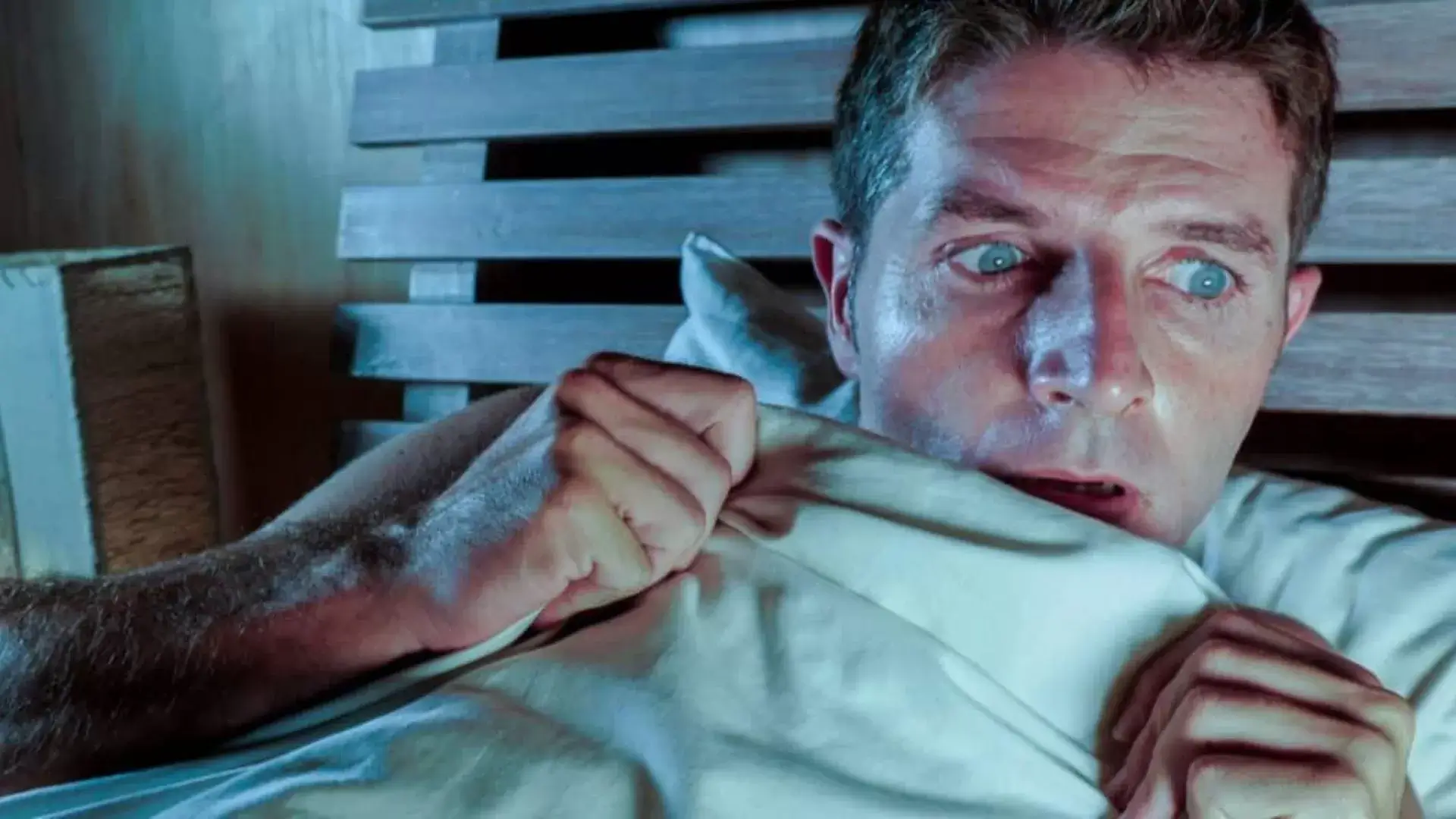
Closer Look at Men’s Mental Health Therapy
Men’s mental health therapy is designed with the unique psychological, emotional, and social challenges faced by men in mind. Traditional expectations around masculinity can prevent men from seeking help, even when they’re experiencing significant distress. Our Oakville-based services focus on creating a safe, non-judgmental space where men can explore their thoughts, identify triggers, and develop the tools necessary to manage their mental health.
Counselling for paranoia in men is not a one-size-fits-all approach. It involves a collaborative relationship between therapist and client, targeting the specific concerns, fears, and experiences each man brings into the therapy room.
Understanding Paranoia in Men: What It Really Means
Paranoia is more than just excessive suspicion—it’s a deep-rooted mistrust of others that can distort how someone interprets reality. For men, these feelings can develop gradually and subtly, often masked by anger, withdrawal, or a heightened sense of vigilance.
Paranoia may cause someone to believe they are being watched, targeted, or judged—even in the absence of concrete evidence. While everyone experiences suspicious thoughts at times, clinical paranoia persists and begins to interfere with daily functioning.
In therapy, we help men differentiate between rational caution and irrational fears, guiding them toward a more balanced perspective.

Recognizing the Signs: Common Symptoms of Paranoia in Men
Paranoia in men can present in several ways, many of which are mistakenly attributed to stress, trauma, or personality. Some of the most frequent signs include:
- Persistent belief that others are deceiving or plotting against them
- Excessive sensitivity to criticism
- Interpreting harmless comments or events as hostile
- Difficulty trusting others, including close friends or family
- Social withdrawal or isolation
- Intense defensiveness or suspicion
- Aggression in response to perceived threats
Understanding these symptoms is the first step toward seeking appropriate treatment. If you or a loved one is experiencing these patterns, professional support can make a significant difference.
Delusional Disorder vs. Paranoid Personality Disorder: Key Differences
Paranoia can be part of broader psychiatric conditions. Two commonly associated diagnoses include Delusional Disorder and Paranoid Personality Disorder (PPD).
Delusional Disorder involves persistent false beliefs (delusions) that are not in line with reality. These beliefs are often well-organized and may not seem bizarre—such as believing someone is in love with them or being followed. However, these ideas persist despite evidence to the contrary.
Paranoid Personality Disorder is a long-term pattern of pervasive distrust and suspicion. Individuals with PPD often believe others intend to harm or deceive them, even without cause. This condition typically starts in early adulthood and affects how someone interacts across all areas of life.
A clinical assessment is needed to accurately differentiate between these conditions and provide a targeted treatment plan.
Connecting the Dots: Paranoia and Psychosis
Paranoia can exist on a spectrum—from mild, manageable suspicions to severe psychotic experiences. In some cases, paranoia is a symptom of psychosis, a mental health condition where a person loses touch with reality.
Psychosis may involve hallucinations, delusions, and impaired thinking. Men experiencing psychosis-related paranoia might hear voices, feel constantly watched, or believe they are being controlled by external forces.
Understanding the link between paranoia and psychosis is crucial. Early intervention and proper diagnosis can prevent worsening symptoms and lead to more effective treatment outcomes.

Early Warning Signs and Triggers of Paranoia
Paranoia doesn’t usually emerge overnight. It often begins with subtle signs and is influenced by personal, social, and biological factors. Some early indicators include:
- Growing suspicion or wariness of others
- Feeling overly alert or “on edge”
- Misinterpreting comments or behaviors as threats
- Feeling excluded or mocked in group settings
- Increased irritability or frustration
Triggers vary from person to person but may include:
- Past trauma or abuse
- High stress environments
- Substance use, especially cannabis or stimulants
- Sleep deprivation
- Social rejection or bullying
Identifying personal triggers is a central component of therapy. With guidance, men can learn to recognize and manage these patterns early on.
What Causes Paranoia in Men?
There is no single cause of paranoia—it usually results from a combination of factors:
Biological Factors
- Genetic predisposition to mental illness
- Chemical imbalances in the brain (particularly dopamine)
- Neurological conditions or head injuries
Psychological Factors
- Unresolved trauma or childhood neglect
- Anxiety or depressive disorders
- Low self-esteem and fear of vulnerability
Environmental and Social Influences
- Exposure to violence or discrimination
- Chronic stress or isolation
- Substance abuse or withdrawal effects
Understanding these root causes helps in developing personalized treatment plans that go beyond symptom management and aim for long-term recovery.
How Paranoia Affects Daily Life
Unchecked paranoia can disrupt nearly every aspect of a man’s life. It creates a barrier between him and the world, often causing:
- Damaged personal and professional relationships
- Chronic stress and emotional exhaustion
- Fear of seeking help due to mistrust
- Challenges at work due to difficulty cooperating with colleagues
- Inability to relax or feel safe
Over time, these impacts can worsen mental health and deepen the cycle of isolation and suspicion. This is why early intervention and sustained support are essential.
Coping Strategies and Building Emotional Resilience
While therapy is key, there are also daily practices that can help manage paranoid thoughts and improve emotional regulation:
- Mindfulness techniques: Deep breathing, meditation, and grounding exercises help anchor reality.
- Journaling: Writing down thoughts can offer perspective and reduce overthinking.
- Physical activity: Regular movement reduces stress and boosts mental clarity.
- Sleep hygiene: Prioritizing rest can stabilize mood and thought patterns.
- Limiting stimulants: Reducing caffeine, alcohol, or drugs can minimize triggers.
Coping strategies are taught and reinforced in therapy, helping men build resilience in the face of paranoia.
The Importance of Clinical Assessment and Diagnosis
A thorough psychological evaluation is crucial for accurate diagnosis and effective treatment. This assessment may include:
- Structured interviews
- Self-report questionnaires
- Behavioral observations
- Psychiatric history review
- Collaboration with other health professionals (if needed)
An accurate diagnosis opens the door to tailored therapies and medications. It also helps men better understand their condition, which can reduce fear and stigma.
Personalized Psychotherapy: A Path to Clarity and Confidence
Therapy for paranoia is not about “fixing” someone—it’s about helping them reclaim their life. We take a personalized approach, ensuring each man receives support that fits his specific situation and goals.
Some of the therapeutic techniques we use include:
- Psychoeducation: Teaching clients about how paranoia works and why it happens.
- Reality testing: Examining beliefs to determine if they’re based on facts or fears.
- Emotional regulation training: Learning how to manage strong feelings like anger or fear.
- Interpersonal therapy: Rebuilding trust and improving communication in relationships.
With time and consistent effort, men can feel more grounded, connected, and empowered.
CBT for Paranoid Thoughts: Challenging the Inner Narrative
Cognitive Behavioral Therapy (CBT) is one of the most effective methods for addressing paranoia. It focuses on the link between thoughts, feelings, and behaviors.
CBT helps men:
- Identify unhelpful thought patterns
- Reframe irrational beliefs
- Practice alternative interpretations of social cues
- Reduce avoidance behaviors
- Build trust in themselves and others
Through structured exercises and guided discussions, CBT helps men shift from fear-based reactions to reasoned responses.
Medication: When It Becomes Part of the Solution
While not every case of paranoia requires medication, for some men, pharmaceutical support plays a key role. Psychiatrists may prescribe:
- Antipsychotics: To reduce severe paranoia and psychotic symptoms
- Mood stabilizers: If paranoia is linked to mood disorders like bipolar disorder
- Anti-anxiety medications: For short-term relief from distress
Medication is always monitored and adjusted based on individual response. When combined with therapy, it can enhance recovery and improve overall quality of life.
Breaking Barriers: Overcoming Mental Health Stigma in Men
Cultural norms and outdated beliefs often prevent men from opening up about their mental health. Paranoia, in particular, carries a heavy stigma, as it’s often misunderstood or feared.
We work to dismantle this stigma by:
- Promoting open dialogue
- Educating men and their families
- Sharing success stories
- Encouraging self-compassion and emotional honesty
Men are not “weak” for seeking help—they’re courageous for confronting something difficult and choosing healing.
The Power of Support: Involving Family and Community
Men don’t have to face paranoia alone. In fact, recovery is often more successful when loved ones are involved. Family members and friends can:
- Offer emotional support and encouragement
- Participate in therapy sessions (if appropriate)
- Learn how to respond to paranoid behavior with empathy
- Help track symptoms and progress
Support groups and peer networks in Oakville also provide a sense of belonging and shared understanding, reducing isolation and reinforcing positive change.
Take the First Step: Begin Your Healing Journey Today
If you or someone you care about is struggling with paranoid thoughts, help is available. Our men’s mental health counselling services in Oakville are here to support you with compassion, expertise, and evidence-based treatment.
You don’t need to have all the answers before reaching out. Taking that first step is often the most courageous act—and it can change everything. Contact us today!
Frequently Asked Questions (FAQs)
How do I know if my paranoia needs professional treatment?
If your thoughts are interfering with daily life, causing distress, or affecting relationships, it’s time to seek help. A mental health professional can assess and guide you.
Is paranoia treatable?
Yes. With therapy, lifestyle changes, and sometimes medication, many individuals see significant improvements in symptoms and quality of life.
Can I still work or have relationships while dealing with paranoia?
Absolutely. With the right support, men can maintain fulfilling relationships and careers while managing their mental health.
How long does therapy take?
The length varies by individual. Some men benefit from short-term therapy, while others may need longer-term support. The important thing is to go at your own pace.
Will my information be kept private?
Yes. Our sessions are confidential and conducted in a safe, respectful environment.