
Phobias Therapy for Men in Oakville
Confidential, Compassionate Support for Men in Oakville
Break the silence. Find clarity, strength, and a path forward—on your own terms.
Men's Mental Health Services
Phobias can cast a long shadow over a man’s life—restricting career choices, straining relationships, and turning ordinary tasks into overwhelming ordeals. Left unaddressed, these intense and often irrational fears can erode self‑confidence, fuel avoidance behaviours, and contribute to broader issues such as anxiety or depression. At Oakville Mens Mental Health Counselling Therapy, we offer counselling therapy designed specifically for male clients, acknowledging the unique social pressures men face around vulnerability and help‑seeking. Our clinicians combine evidence‑based approaches—such as cognitive‑behavioural therapy, exposure therapy, and mindfulness techniques—with a supportive, judgment‑free environment to help you identify the roots of your phobia, gradually desensitize fearful triggers, and build practical coping strategies. Whether you’re struggling with a well‑known fear (heights, flying, needles) or a rarer, highly specific phobia, you do not have to navigate it alone; targeted professional support is available, and genuine, lasting relief is entirely achievable.
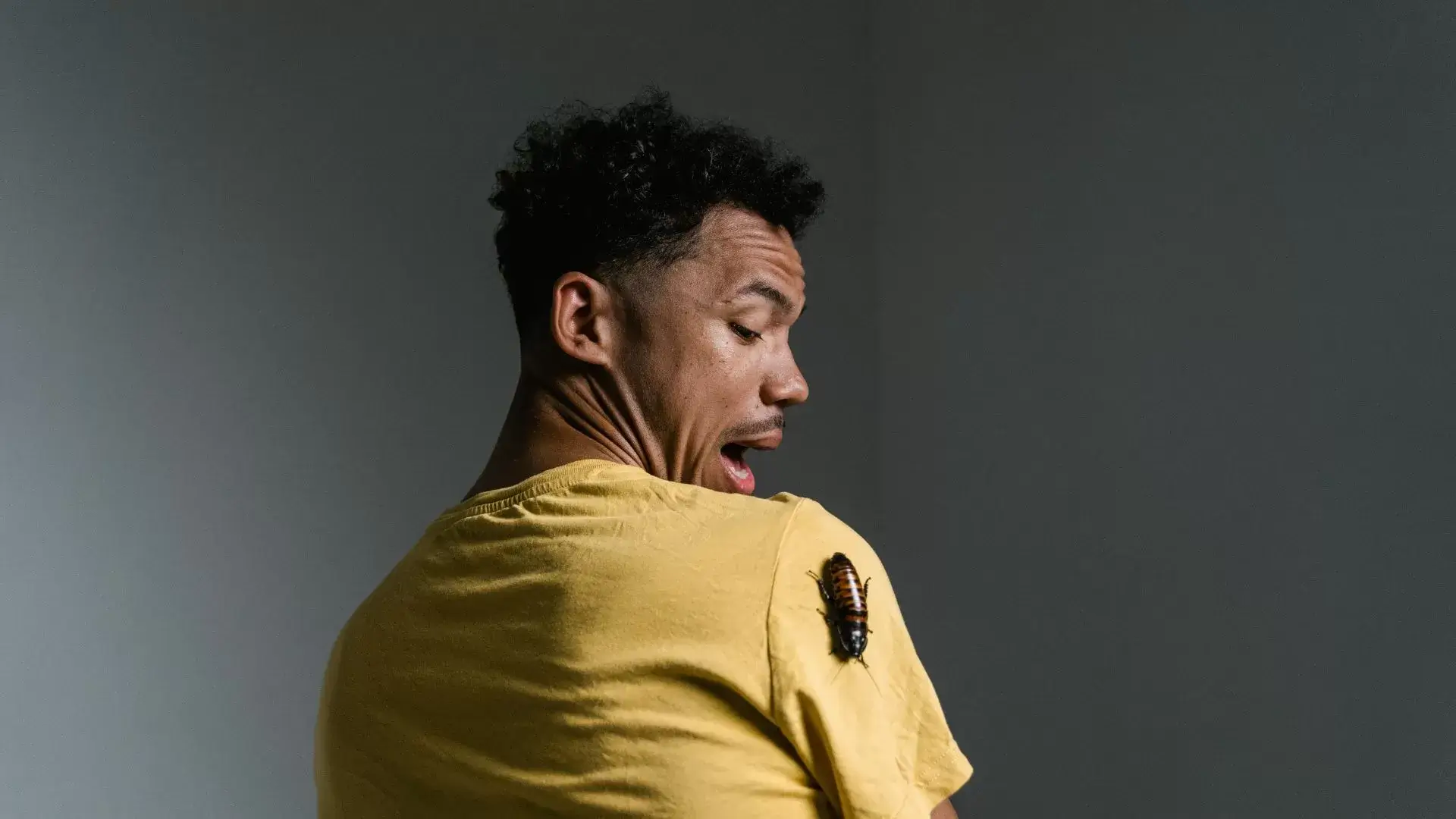
Why Men’s Mental Health Needs a Unique Approach
Men frequently navigate an unspoken cultural script that equates masculinity with self‑reliance, stoicism, and emotional invulnerability. Although these norms can foster resilience, they also create significant barriers to acknowledging inner struggles—especially when the issue is a phobia that may seem illogical or “unmanly.” The result is that many men downplay or conceal their fears until those fears start eroding career performance, intimacy, and overall well‑being.
Addressing men’s mental health therefore requires more than simply applying generic counselling techniques; it calls for an approach that actively deconstructs harmful stereotypes, validates men’s emotional experiences, and teaches adaptive ways to express vulnerability without jeopardizing a sense of dignity. At our Oakville clinic, we have cultivated a confidential and non‑judgmental space specifically attuned to these needs. Sessions are structured to respect each client’s pace, incorporate evidence‑based interventions such as cognitive‑behavioural therapy and exposure practices, and integrate practical, solution‑focused strategies that align with men’s everyday roles and responsibilities. By combining psychological expertise with a deep understanding of male social pressures, we empower men to confront their phobias, reclaim agency over their lives, and model healthier emotional openness for the people who depend on them.
What Are Phobias? Understanding the Different Types
Phobias are more than just everyday fears—they are persistent, irrational fears of specific objects, situations, or activities that lead to intense distress or avoidance behavior. In men, phobias may manifest in different ways, from subtle avoidance tactics to panic attacks or isolation.
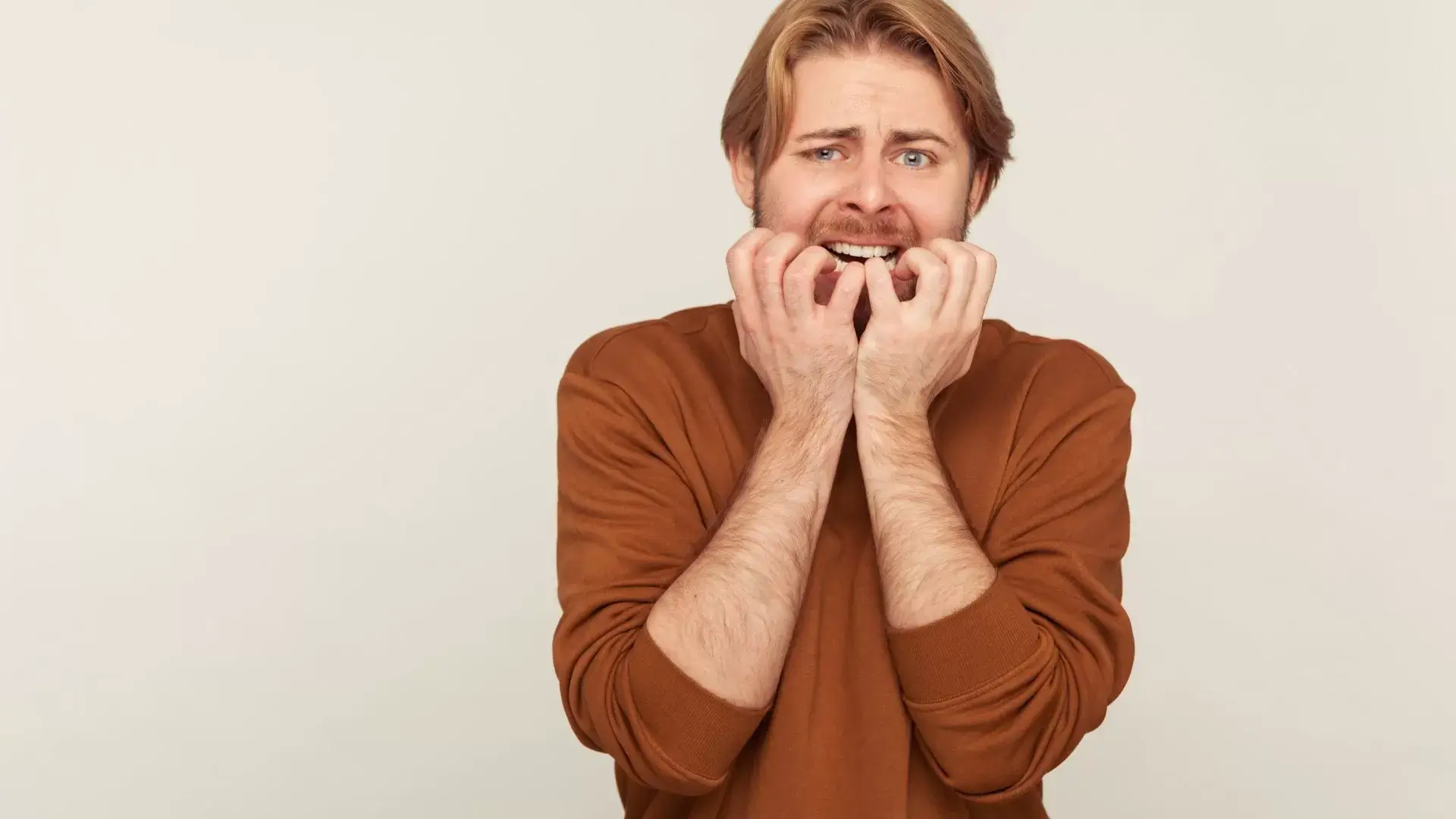
Types of Phobias Common in Men:
Specific Phobias – fear of objects or situations like animals or heights
Social Anxiety Disorder – fear of being judged or humiliated in social settings
Agoraphobia – fear of open or crowded spaces
Claustrophobia – fear of confined spaces
Why Men Often Conceal Their Phobias
Men may downplay or hide phobic symptoms due to fear of being seen as weak or overly emotional. This avoidance not only worsens the phobia but can also impact relationships, job performance, and overall mental well-being. Early intervention and a supportive therapy process can make a significant difference.
Comprehensive Psychological Assessment: Creating Your Anxiety Profile
Our therapy process begins with a detailed intake and assessment, where we work collaboratively to understand your specific fears and how they show up in your daily life.

The Anxiety Hierarchy:
A key therapeutic tool, the anxiety hierarchy helps map out your triggers from least to most distressing. This hierarchy forms the foundation of exposure-based interventions and gradual desensitization work.
Treatment Pathways: Evidence‑Based Approaches to Phobia Recovery
Men’s phobia counselling in Oakville integrates scientifically proven methods, such as:
Cognitive Behavioural Therapy (CBT) – to reframe irrational fears
Exposure Therapy – to gradually face and reduce fear
Eye Movement Desensitization and Reprocessing (EMDR) – particularly for trauma-linked phobias
Acceptance and Commitment Therapy (ACT) – for managing fear through mindfulness and values-based action
Specialized Support for Agoraphobia and Claustrophobia
Agoraphobia and claustrophobia often restrict daily functioning—limiting travel, work environments, or even social interaction.
Treatment Tools:
Virtual reality exposure therapy
Breathing retraining and body-awareness exercises
Behavioral experiments to challenge avoidance patterns
Facing Fears of Animals: Arachnophobia, Cynophobia, Ophidiophobia, Zoophobia
Many men wrestle quietly with intense, specific fears of animals—whether it’s spiders (arachnophobia), dogs (cynophobia), snakes (ophidiophobia), or a more generalized apprehension of multiple species (zoophobia). Because our culture often frames men as protectors rather than the protected, admitting to such fears can feel embarrassing or even humiliating, prompting many to mask or rationalize their anxiety. Yet these phobias are far more common than most people realize and frequently trace back to distressing childhood encounters, unexpected startle experiences, or learned behaviours modeled by influential adults. Left unaddressed, they can limit outdoor recreation, complicate family life (for instance, when a partner or child wants a pet), and trigger intrusive worries that erode day‑to‑day peace of mind.
Evidence‑based counselling provides a structured, compassionate pathway to relief. Through approaches like cognitive‑behavioural therapy, systematic desensitization, and controlled exposure techniques, our Oakville therapists help clients identify the origin stories and distorted beliefs that keep these fears alive. Sessions include practical skills training—such as breath‑focused relaxation, visualization, and graduated in‑vivo exposure—allowing you to reframe threatening associations, recalibrate your nervous system’s response, and gradually build confidence around the animals that once felt overwhelming. Over time, many clients report not only reduced physiological arousal when encountering their feared animal but also a broader sense of mastery and self‑trust that carries into other areas of life.
Conquering Acrophobia (Heights) and Aerophobia (Flying)
Fear of heights or flying can cast a surprisingly wide net over a man’s personal and professional life—restricting travel for work, prompting detours that sap time and money, or causing him to miss out on special family vacations and milestone events. The resulting limitations can undermine career advancement (think promotions that require air travel or site visits to skyscraper offices) and strain relationships when loved ones must adapt plans around the phobia. Left unchecked, the anxiety often generalizes, creeping into settings like balconies, pedestrian bridges, glass elevators, or even tall movie‑theatre stadium seating, further shrinking one’s comfort zone.
Our Oakville practice employs a multilayered, evidence‑based strategy to tackle these fears head‑on. We begin with psychoeducation to demystify the body’s fight‑or‑flight response and normalize your experience, then integrate immersive tools that let you confront triggers incrementally. Guided visualization exercises help you rehearse successful encounters with heights or flights in a safe mental space. For a more tangible bridge between imagination and reality, we leverage state‑of‑the‑art virtual‑reality simulations—allowing you to “ride” an elevator up a skyscraper or “sit” in an aircraft cabin while your therapist coaches real‑time coping skills. Finally, graded in‑vivo exposure places you in carefully chosen real‑world situations—starting with low‑stakes environments such as a short escalator ride or a brief visit to a small airport lounge, and steadily progressing to higher floors or actual flight segments as confidence grows.
Managing Blood, Injection, and Injury Phobias: Hemophobia & Trypanophobia
These phobias can interfere with necessary healthcare and preventive treatment. We use systematic desensitization, cognitive restructuring, and biofeedback to help clients regulate physical responses like dizziness or fainting.
Nature-Based Phobias: Astraphobia, Nyctophobia, and Selenophobia
Fear of thunder, the dark, or the moon may sound unusual, but these phobias can be deeply distressing. Therapy focuses on building a sense of control, emotional regulation, and breaking the fear-conditioning loop.
Performance and Situational Phobias: Glossophobia, Hodophobia, Scopophobia
Public speaking (glossophobia), travel-related fears (hodophobia), or the fear of being watched (scopophobia) can severely restrict a man’s social or professional life. Therapy helps target the internalized shame, perfectionism, or trauma often behind these phobias.
Contamination and Health Phobias: Mysophobia, Nosophobia, Germophobia
Post-pandemic, more men are reporting fears of contamination and illness. We offer CBT and exposure-based approaches that reduce compulsive cleaning, health-related obsessions, and irrational fears of disease.
Rare and Unusual Phobias: Triskaidekaphobia, Coulrophobia, Chronophobia & Others
Even rare phobias like the fear of the number 13 (triskaidekaphobia), clowns (coulrophobia), or time passing (chronophobia) deserve attention. We don’t dismiss or judge—we listen, assess, and treat.
Integrative Therapies: Mindfulness, Relaxation, and Virtual Reality
Alongside traditional therapies, we offer:
Mindfulness-Based Stress Reduction (MBSR)
Progressive Muscle Relaxation (PMR)
Virtual Reality Therapy – for safe simulation of feared stimuli
These therapies help lower overall anxiety and improve emotional self-regulation.
Long-Term Recovery: Building Resilience and Preventing Relapse
Once a phobia is under control, we focus on maintenance planning. This includes:
Ongoing check-ins
Relapse prevention strategies
Stress management coaching
Group therapy options for continued support
Book Your Men’s Phobia Counselling Session in Oakville
If you’re ready to stop letting fear dictate your life, our compassionate therapists in Oakville are here to support your journey. Booking is easy and confidential. We offer both in-person and virtual appointments to fit your lifestyle. Contact us today!
FAQs About Men’s Phobia Counselling in Oakville
How long does therapy take?
It varies by phobia severity, but many clients see improvements within 8–12 sessions.
Is this covered by insurance?
Most private insurance plans cover therapy sessions. We can help you verify coverage.
Do I need a diagnosis to begin therapy?
No. You only need to be ready to address your fear—we’ll guide you from there.
Can therapy help if I’ve had this phobia for decades?
Absolutely. Phobias are treatable at any age or stage. Progress is always possible.