
PTSD Therapy for Men in Oakville
Confidential, Compassionate Support for Men in Oakville
Break the silence. Find clarity, strength, and a path forward—on your own terms.
Men's Mental Health Services
Post-traumatic stress disorder (PTSD) is a complex and often misunderstood mental health condition that can significantly affect the lives of individuals who have experienced or witnessed traumatic events. For men in Oakville, PTSD can present unique challenges that are often compounded by societal norms that discourage emotional openness or vulnerability. Traditional expectations around masculinity may cause men to minimize their distress, push through emotional pain, or suffer in silence rather than seek the support they need.
Our men’s mental health counselling therapy services in Oakville are thoughtfully designed to address these unique needs. We provide professional, confidential care in a space where men feel seen, heard, and supported. Through evidence-based therapies and compassionate guidance, we help men understand their trauma responses, regain a sense of personal control, and take the first steps toward recovery, self-awareness, and emotional resilience.

About Men's Mental Health Counselling Therapy
Men’s mental health counselling therapy is more than just talking about feelings—it’s a strategic, goal-oriented process that helps individuals gain insight into their thoughts, behaviors, and emotional responses. At our Oakville-based clinic, we create a safe, non-judgmental space where men can openly address the emotional and psychological challenges related to PTSD and trauma.
Our therapists understand the gender-specific barriers that often prevent men from accessing help, such as shame, fear of appearing weak, or a lack of emotional language. By acknowledging these obstacles, we work to dismantle stigma and build trust. Therapy sessions are customized to each client’s needs and focus on identifying personal triggers, developing effective coping mechanisms, and building emotional strength. Over time, counselling helps clients process difficult experiences, reduce symptoms of PTSD, and rediscover a sense of peace and purpose.
Understanding PTSD in Men: Recognizing the Signs and Symptoms
PTSD doesn’t always look the same in everyone, and in men, it can often be masked by behaviors that society misinterprets as aggression, apathy, or self-discipline. Men may downplay emotional pain or act out in ways that are perceived as “normal stress,” when in reality, they are signs of deeper trauma.
Common indicators of PTSD in men include:
- Intrusive and distressing memories, flashbacks, or nightmares related to the traumatic event
- Avoidance of people, places, or situations that serve as reminders of the trauma
- Heightened irritability, sudden outbursts of anger, or feelings of aggression
- Emotional numbness or difficulty connecting with others on an emotional level
- Substance use (alcohol, drugs) as a way to cope or escape painful emotions
- Trouble sleeping, chronic fatigue, or difficulty concentrating
Early recognition of these signs is vital. The sooner PTSD is identified, the sooner targeted treatment can begin—minimizing long-term emotional and psychological damage.
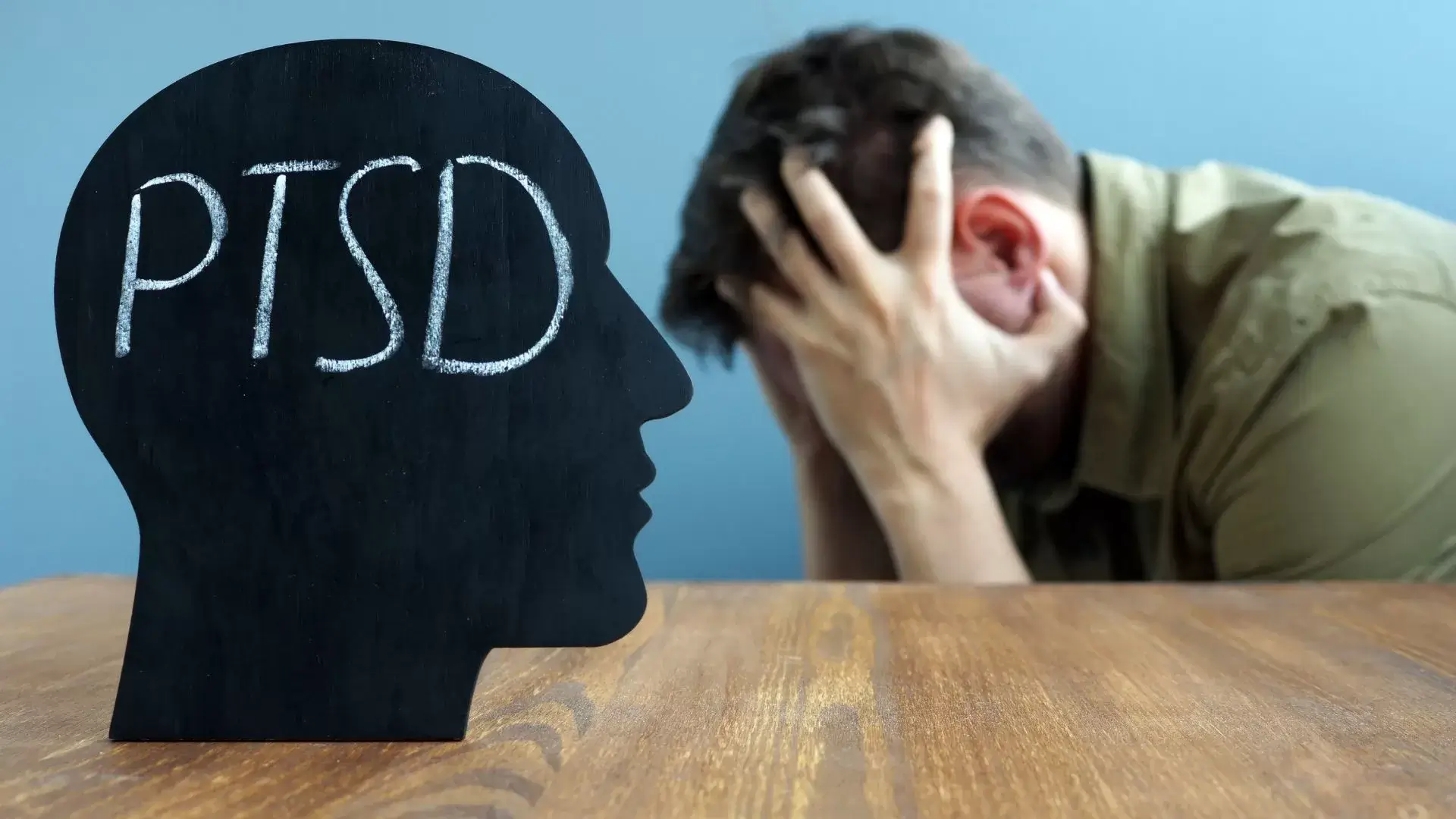
Common Traumatic Events That Lead to PTSD in Men
PTSD in men is often rooted in traumatic events that overwhelm the brain’s ability to cope and process danger. These events vary widely and may occur at any stage in life, whether in childhood or adulthood. While every man’s experience is different, there are common types of trauma that frequently lead to PTSD:
- Military combat or deployment in war zones
- Experiencing or witnessing physical assault or domestic violence
- Childhood trauma such as emotional neglect, physical abuse, or sexual abuse
- Severe accidents, car crashes, or workplace injuries
- Exposure to natural disasters (e.g., floods, earthquakes, fires)
- Witnessing violent crimes or sudden death of a loved one
Understanding the specific type of trauma that has occurred helps inform the therapeutic process and allows clinicians to develop personalized strategies that lead to more effective healing.
PTSD Diagnosis: How It’s Identified and Assessed
A proper PTSD diagnosis is the critical first step in creating a meaningful and structured treatment plan. The diagnostic process is conducted by licensed mental health professionals who specialize in trauma-informed care. This typically involves:
- A comprehensive psychological interview covering mental health history, current symptoms, and details about the traumatic experience
- Standardized diagnostic tools and questionnaires, such as the Clinician-Administered PTSD Scale (CAPS), to assess the severity and frequency of symptoms
- Evaluation of symptom duration, impact on daily functioning, and co-occurring issues such as depression, anxiety, or substance use
An accurate diagnosis not only validates the client’s experience but also provides a roadmap for recovery that includes therapy, support networks, and other helpful interventions tailored to the individual’s specific situation.
Mental Health Effects of PTSD on Men
PTSD can have profound and wide-reaching effects on men’s emotional and psychological well-being, including:
Increased risk of depression and anxiety
Disrupted sleep patterns and chronic fatigue
Feelings of hopelessness, shame, or guilt
Emotional withdrawal from loved ones
Challenges with work and social relationships
Men may also be at higher risk for substance abuse or self-harming behaviors if PTSD remains untreated.

Complex PTSD (CPTSD) and Chronic PTSD in Men
Complex PTSD (CPTSD) develops after prolonged or repeated trauma, often involving interpersonal harm or abuse. Unlike standard PTSD, CPTSD symptoms may include:
Distorted sense of self or self-worth
Ongoing difficulty managing emotions
Persistent feelings of fear or despair
Challenges with interpersonal relationships
Chronic PTSD refers to long-term, persistent symptoms that may last for years if not addressed. Specialized therapy is crucial for both forms to promote long-term recovery.
EMDR Therapy and Exposure Therapy for Trauma Recovery
Two evidence-based treatments effective in addressing PTSD symptoms include:
EMDR Therapy (Eye Movement Desensitization and Reprocessing): This method helps individuals reprocess traumatic memories in a less distressing way by using bilateral stimulation such as guided eye movements.
Exposure Therapy: Gradual exposure to trauma-related thoughts, feelings, and situations helps reduce fear and avoidance, allowing the brain to process trauma more adaptively.
These therapies are especially useful for men who have difficulty verbalizing trauma.
Cognitive Behavioral Therapy (CBT) and Trauma-Focused Approaches
CBT is one of the most effective therapies for PTSD and involves identifying and challenging distorted thinking patterns. Trauma-focused CBT combines traditional CBT with techniques specifically aimed at addressing trauma-related symptoms, such as:
Thought restructuring
Behavioral activation
Narrative processing
Therapists guide men in understanding how trauma has affected their thinking and help them develop healthier cognitive frameworks.
Somatic Experiencing and Mind-Body Integration
Somatic Experiencing is a body-focused therapy that helps release trauma stored in the nervous system. By gently bringing awareness to physical sensations, clients learn how to self-regulate and reduce physiological distress.
Mind-body integration also includes practices like yoga, meditation, and breathwork. These methods are particularly beneficial for men who may feel disconnected from their bodies or emotions.
Grounding Techniques and Coping Mechanisms for PTSD
Grounding techniques help men stay present and reduce the intensity of PTSD symptoms like flashbacks and panic attacks. Common techniques include:
Deep breathing and progressive muscle relaxation
Naming objects in the environment
Mindful observation and guided imagery
Therapists work with clients to develop personalized coping strategies that they can use during moments of distress or emotional dysregulation.
PTSD and the Impact on Relationships and Family Life
PTSD doesn’t only affect the individual; it impacts family dynamics, friendships, and intimate relationships. Men with PTSD may withdraw emotionally or struggle with trust and communication, leading to conflict or isolation.
Couples or family counselling can help improve understanding and rebuild emotional connection. Education about PTSD for partners and family members is also a critical part of the healing process.
Support for Military PTSD and Combat Veterans
Military veterans are at heightened risk for PTSD due to exposure to high-stress, life-threatening situations. Many experience flashbacks, survivor’s guilt, and difficulties reintegrating into civilian life.
Specialized support includes:
Veteran-focused counselling
Peer support groups with fellow servicemen
Access to military mental health resources
Trauma-informed care tailored to military experiences is crucial for lasting recovery.
Group Therapy and PTSD Support Networks for Men
Group therapy provides a sense of community and shared understanding, which can be incredibly therapeutic for men who feel isolated. Benefits include:
Reduced feelings of shame or stigma
Learning from the experiences of others
Practicing social and communication skills
Many men find that peer support helps normalize their experiences and motivates them to stay engaged in recovery.
Integrating Medication with Counselling for PTSD Management
For some men, medication can be an important part of a comprehensive PTSD treatment plan. Medications may include:
SSRIs and SNRIs (e.g., sertraline, paroxetine)
Anti-anxiety medications (short-term use)
Sleep aids for insomnia
Combined with counselling, medication can help manage symptoms and improve overall quality of life.
Building Resilience and Achieving Post-Trauma Growth
Healing from PTSD doesn’t mean forgetting the trauma but learning to grow from it. Counselling therapy supports men in:
Developing new strengths and insights
Improving self-awareness and emotional intelligence
Rebuilding confidence and life purpose
With the right tools, men can experience profound personal growth and develop greater resilience in the face of future challenges.
Contact Us for Men’s PTSD Counselling and Trauma Therapy
If you or a loved one is struggling with PTSD, know that help is available. Our experienced team of counsellors provides a safe, respectful space for men to begin their healing journey.
Contact us today to learn more about our trauma-informed therapy programs designed specifically for men. Healing starts with one step – let us walk alongside you on your path to recovery.