
Social Anxiety Disorder Therapy for Men in Oakville
Confidential, Compassionate Support for Men in Oakville
Break the silence. Find clarity, strength, and a path forward—on your own terms.
Men's Mental Health Services
Understanding Men’s Mental Health and the Importance of Seeking Support
For many men, mental health remains a difficult topic to approach. Cultural pressures often encourage emotional restraint and stoicism, discouraging vulnerability. However, men experience mental health conditions just as frequently as women—especially anxiety disorders like Social Anxiety Disorder (SAD). At Oakville Mens Mental Counselling Therapy, we understand these unique challenges. Our counselling therapy services provide men with tools to overcome these struggles, develop healthier coping mechanisms, and reclaim their social confidence.

What Is Social Anxiety Disorder in Men?
Social Anxiety Disorder, also known as social phobia, is more than just shyness. It’s an intense, persistent fear of being judged, embarrassed, or humiliated in social settings. For men, this condition can be particularly isolating due to social expectations around masculinity and strength. They may feel pressure to “tough it out” rather than seek help, leading to worsened symptoms and avoidance of meaningful social interaction.
Key Symptoms and Warning Signs of Social Anxiety in Men
Men with Social Anxiety Disorder may experience a wide array of physical, emotional, and behavioral symptoms, including:
Rapid heartbeat, sweating, or blushing in social settings
Avoiding eye contact or public speaking
Muscle tension and restlessness before events
Overthinking social interactions after they’ve happened
A fear of being perceived as awkward, boring, or incompetent
Intense worry about upcoming social situations
Many men will mask these symptoms or develop avoidance strategies to cope, further deepening their sense of isolation.

Fear of Judgment and Embarrassment: The Emotional Core of Social Anxiety
One of the defining features of social anxiety is the overwhelming fear of being scrutinized. For men, this often includes:
Worrying about being seen as weak or incompetent
Fear of not meeting societal standards of masculinity
Concern about physical appearance or performance
Anxiety over saying the “wrong” thing or being rejected
This fear can be paralyzing and lead to a reluctance to engage in conversations, network professionally, or form intimate relationships.
How Social Anxiety Impacts Men’s Daily Lives
Social Anxiety Disorder can significantly affect a man’s ability to navigate everyday situations, including:
Work performance – Avoiding meetings, presentations, or promotions
Friendships – Difficulty initiating or maintaining social connections
Dating and relationships – Fear of rejection or appearing nervous
Parenting – Worry about interacting with other parents or teachers
Community involvement – Avoiding events, groups, or volunteer opportunities
Over time, these patterns can create a vicious cycle of withdrawal and loneliness.
Performance and Public Speaking Anxiety: A Gendered Challenge
Performance anxiety is especially common among men with social anxiety. This may include:
Fear of speaking up in meetings or in class
Anxiety during interviews, job presentations, or public performances
Self-doubt in romantic or sexual encounters
Feeling watched or evaluated even in casual settings
The pressure to perform well—whether in a boardroom or a conversation—often fuels a cycle of over-preparation, procrastination, or complete avoidance.
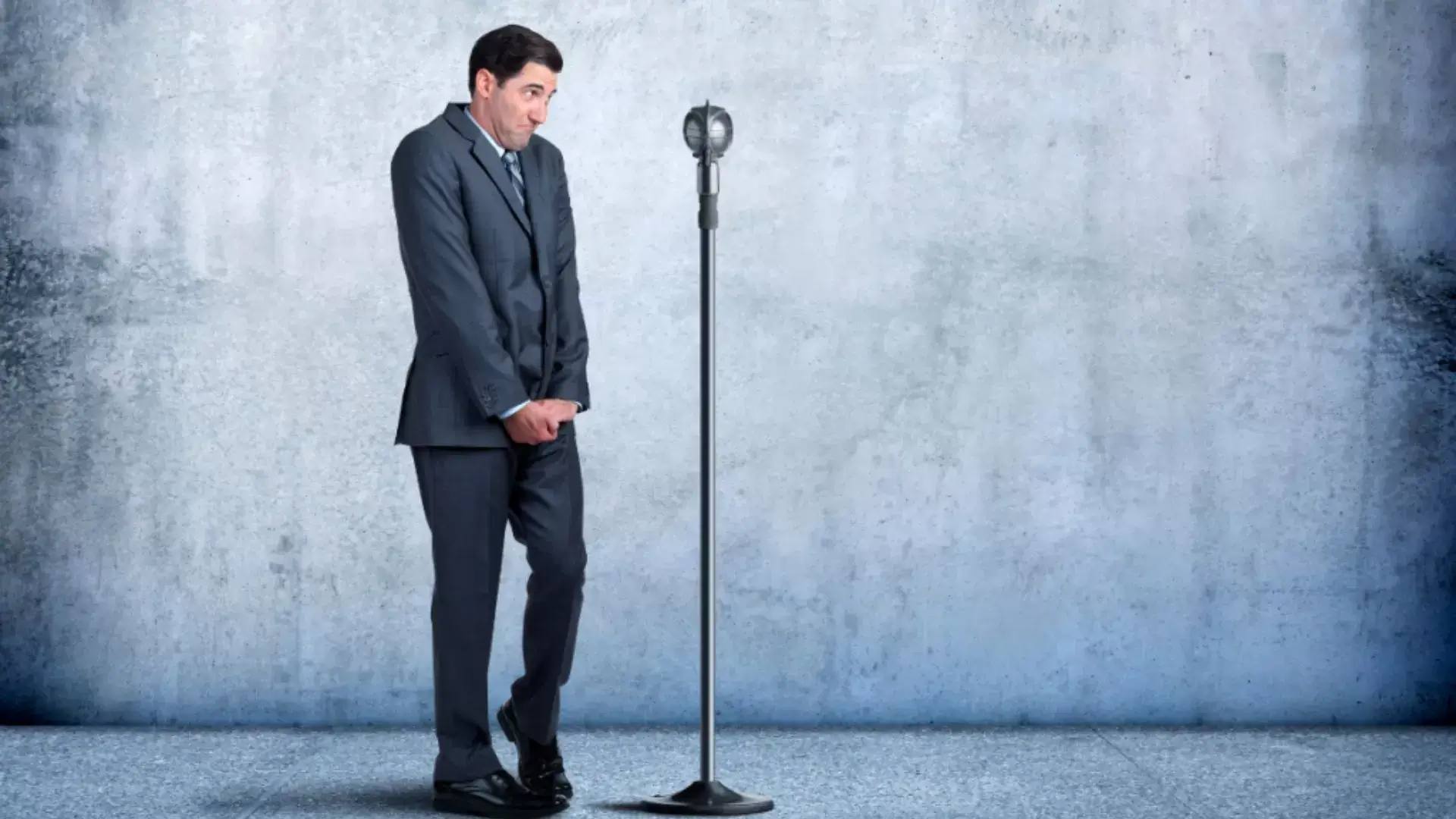
Avoidance and “Safety Behaviors” That Reinforce Anxiety
Men with social anxiety often rely on behaviors that temporarily reduce their discomfort but ultimately reinforce the condition. Common examples include:
Drinking alcohol to feel more relaxed socially
Using humor or aloofness to deflect attention
Avoiding social situations altogether
Bringing a friend or partner to buffer interactions
Over-analyzing conversations post-event
These coping strategies can feel protective, but they actually reinforce the belief that social situations are dangerous.
The Role of Low Self-Esteem and Negative Self-Perception
Many men with social anxiety suffer from chronic self-doubt, which may stem from:
Childhood bullying or humiliation
Strict parenting or unrealistic expectations
Societal pressure to appear competent at all times
Negative beliefs such as “I’ll say something stupid,” “They’ll think I’m weak,” or “I’m not interesting” can become ingrained and unconscious, impacting self-worth and identity.
Anticipatory Anxiety and the Build-Up Before Social Events
Anticipatory anxiety refers to the worry that occurs before a social interaction even takes place. This can manifest as:
Trouble sleeping before an event
Constant mental rehearsal of conversations
Physical symptoms like nausea or headaches
Irritability, tension, or mood changes
For men, this pre-event stress can feel overwhelming and may lead them to cancel or avoid the event altogether, reinforcing avoidance patterns.
Psychological Evaluation and Clinical Diagnosis of Social Anxiety
Diagnosing Social Anxiety Disorder involves a comprehensive evaluation from a qualified mental health professional. This typically includes:
Clinical interviews and questionnaires
Assessment of functional impairment
Evaluation for co-occurring disorders (e.g., depression, substance use)
Review of behavioral patterns and coping strategies
Early diagnosis is crucial for effective intervention, especially since men often underreport emotional distress.
Evidence-Based Treatments for Social Anxiety in Men
There are several scientifically backed treatments that help men overcome social anxiety:
Cognitive Behavioral Therapy (CBT)
CBT is one of the most effective forms of therapy for SAD. It focuses on:
Challenging irrational thoughts
Identifying negative core beliefs
Exposure to feared situations in a gradual, controlled way
CBT helps men learn that social situations are manageable and not inherently dangerous.
Exposure Therapy
This technique helps men face their fears in small steps, allowing desensitization over time. It’s particularly effective for fears of public speaking or dating.
Acceptance and Commitment Therapy (ACT)
ACT encourages individuals to accept anxiety as a part of life and commit to living in alignment with personal values despite it.
Building Confidence: Social Skills Training for Men
Social skills training is often included in therapy to help men:
Practice assertiveness and active listening
Develop body language awareness
Enhance conversational abilities
Learn to handle rejection and feedback
These skills increase self-efficacy and allow for more confident, authentic engagement in social settings.
Medication Options for Social Anxiety Disorder
In some cases, medication may be used alongside therapy. Options include:
Selective Serotonin Reuptake Inhibitors (SSRIs)
These are the first-line treatment for SAD. Common SSRIs include sertraline, paroxetine, and fluoxetine.
Serotonin-Norepinephrine Reuptake Inhibitors (SNRIs)
Such as venlafaxine, which also targets anxiety symptoms.
Benzodiazepines
These are prescribed sparingly due to dependency risks but may be used short-term in severe cases.
Medication should always be prescribed by a psychiatrist or doctor familiar with anxiety disorders.
Holistic Tools: Mindfulness, Breathing, and Relaxation Techniques
Complementary strategies can empower men to manage anxiety symptoms between therapy sessions. These include:
Mindfulness meditation – Staying present and reducing mental spirals
Breathing techniques – Such as box breathing and diaphragmatic breathing
Progressive muscle relaxation – Releasing tension held in the body
Journaling – To track thoughts and identify patterns
These practices support emotional regulation and reduce overall anxiety levels.
Exploring Therapy Options: In-Person and Online Support for Men
Therapy can be customized to fit each man’s needs and comfort level:
In-person therapy – Traditional, face-to-face sessions in a confidential setting
Virtual therapy – Accessible and discreet, with platforms like BetterHelp or Talkspace
Group therapy – A safe space to share experiences and practice skills
Men’s mental health support groups – Build camaraderie and reduce shame
Access to flexible therapy options makes it easier for men to take the first step toward healing.
Reclaiming Confidence: Setting Goals and Measuring Progress in Therapy
Recovery from social anxiety isn’t just about reducing fear—it’s about gaining freedom. Therapy often focuses on:
Identifying personal values and goals (e.g., dating, career advancement)
Tracking progress through behavioral experiments
Celebrating small wins like initiating conversation or attending events
Reframing setbacks as learning experiences
These goals create a path forward and give men a sense of empowerment.
Breaking the Stigma Around Men’s Social Anxiety
Social anxiety affects millions of men, yet stigma prevents many from speaking up. It’s time to challenge the myths:
Myth: Real men don’t get anxious.
Truth: Anxiety is a biological and psychological condition that affects all genders.
Myth: Therapy is a sign of weakness.
Truth: Seeking help is an act of courage and strength.
When men speak openly about mental health, it inspires others to do the same.
Living Fully Again: Life After Social Anxiety Treatment
With consistent support, men can begin to live life more fully:
Forming deeper connections with others
Advancing careers and pursuing passions
Building romantic relationships
Participating in community life
Experiencing a greater sense of freedom and authenticity
Healing from social anxiety is not just about managing symptoms—it’s about reclaiming joy, purpose, and meaningful relationships.
Frequently Asked Questions About Men’s Social Anxiety Therapy
Is social anxiety common in men?
Yes, though often underreported. Many men mask symptoms due to social stigma.
Can social anxiety go away without therapy?
In some mild cases, symptoms improve over time. However, therapy significantly increases the chance of long-term recovery.
How long does therapy take?
Most men see improvements within 12–16 sessions, especially with CBT.
Is online therapy effective?
Yes. Studies show that virtual CBT and exposure therapy are just as effective as in-person sessions.